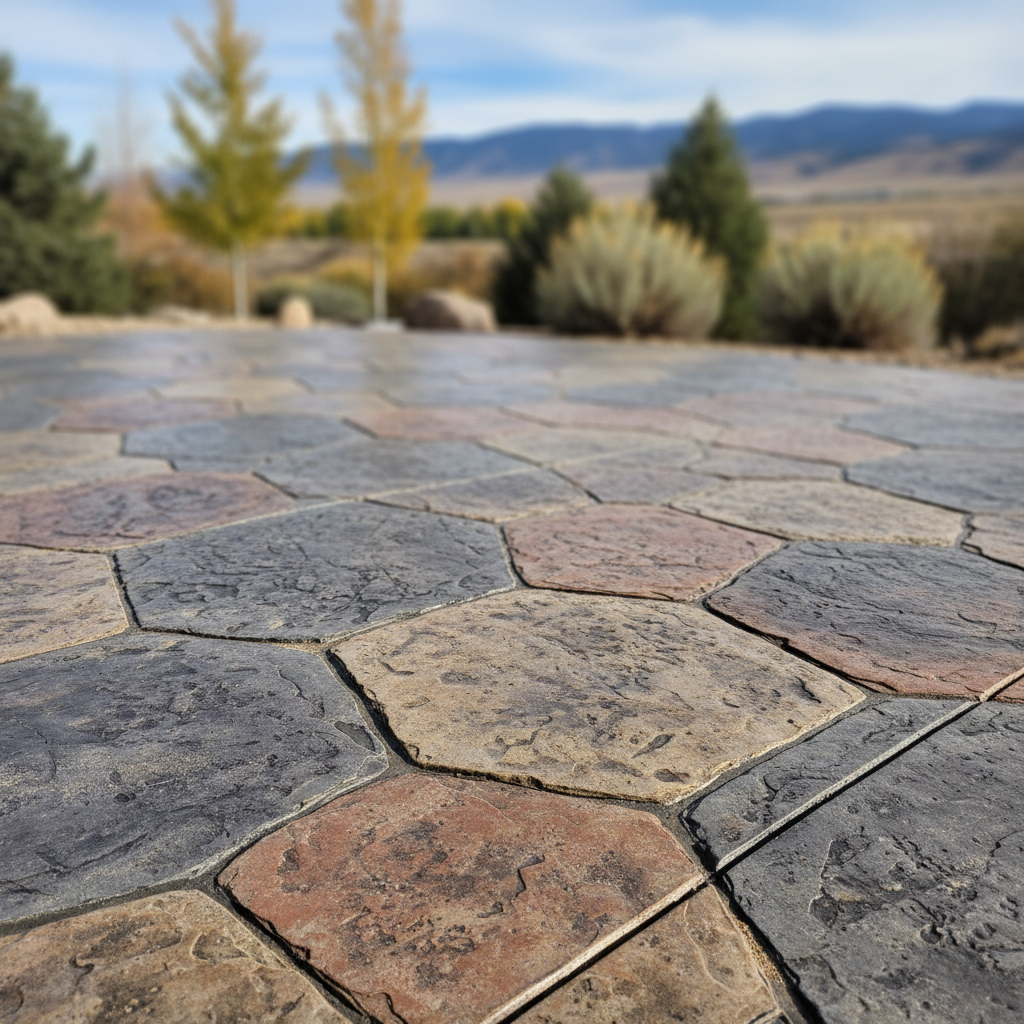
So, you're thinking about putting in some new concrete around your place. Maybe it's a small patio, a new walkway, or even a driveway. It's a common thought for homeowners: Can I do this myself, or do I need to hire someone? It's a good question, and the answer isn't always a simple yes or no. It really depends on a few things, mostly the size and complexity of the job, and how much time and sweat equity you're willing to put in.
Before You Even Start Digging
First off, let's talk about what you need to consider before any concrete even gets mixed. This is where a lot of folks get tripped up. You've got to plan. What's the purpose of this concrete? Is it just for walking on, or will it need to support a vehicle? That makes a big difference in how thick it needs to be and what kind of base preparation you'll require. A simple garden path is a lot different from a driveway that's going to see heavy trucks delivering materials.
Permits. Don't skip this. For bigger jobs, especially driveways or anything that impacts drainage, you'll likely need a permit from Logan City. Ignoring this can cause big problems down the road, literally. You don't want to pour a beautiful new driveway only to be told you have to tear it out because you didn't get the proper approvals.
Then there's the ground itself. Here in Logan, especially in areas like the Bench, we've got some interesting soil conditions. You might hit a lot of clay, or even some rocky spots. You need to know what you're digging into. Proper sub-grade preparation is probably the most critical step for concrete longevity. If your base isn't stable and well-compacted, your concrete will crack and settle, no matter how good the pour is. You'll need to remove any organic material, compact the soil, and often add a layer of gravel. This isn't just about making it look pretty; it's about making it last through our freeze-thaw cycles.
DIY vs. Calling Kingdom Concrete Contractors Logan
Alright, let's get down to the brass tacks: what can you realistically do yourself? For really small projects, like a stepping stone path or a small, non-structural pad for a shed, you might be able to handle it. You're talking about a few bags of ready-mix concrete, a shovel, a wheelbarrow, and some basic hand tools. The key here is 'small.' We're talking maybe 20-30 square feet, maximum.
- Small pours: If you can mix it yourself in a wheelbarrow or a small mixer, you might be okay.
- Simple shapes: Rectangular or square, no complex curves or multiple levels.
- Minimal rebar/mesh: Maybe just some wire mesh for crack control.
- Basic finish: A broom finish is the easiest to achieve for a novice.
Anything beyond that, and you're really pushing it. Concrete isn't like painting a wall; once it's poured, it's pretty much set. There's no undo button. If you mess up the mix, the pour, or the finish, you're looking at a huge headache and potentially a costly tear-out. Plus, concrete is heavy, and it sets fast. You need to work quickly and efficiently, which takes experience.
When should you call a pro like us at Kingdom Concrete Contractors Logan? Pretty much for anything that matters. Driveways, large patios, foundations, retaining walls, or anything that needs to be perfectly level, drain correctly, or support significant weight. We've got the equipment, the experience, and the crew to get it done right the first time. We know how to handle the specific challenges of our local climate and soil, ensuring your concrete lasts for decades.
During the Pour: What to Expect
If you're doing a DIY job, make sure you have all your tools ready, your forms built solid, and your base prepared before the truck even thinks about showing up (if you're getting a delivery). You'll need help. Don't try to pour concrete by yourself, even a small amount. It's a team effort. You need people to screed, float, and finish, all at the right time.
If you hire us, you won't have to worry about any of that. We'll handle the forms, the rebar, the pour, and the finish. We'll make sure the grade is correct for drainage, which is super important, especially with our heavy spring snowmelt.
After the Concrete is Down
Once the concrete is poured and finished, the work isn't over. Curing is absolutely critical. This isn't just letting it dry; it's a chemical process that strengthens the concrete. You need to keep it moist for at least 3-7 days, sometimes longer depending on the mix and the weather. That means covering it with plastic, or using curing compounds, or even misting it with water. If you let it dry out too fast, it'll be weaker and more prone to cracking.
Don't put heavy weight on it too soon. Give it at least a week before walking on it regularly, and a month before driving vehicles on it. Patience is key here. You've invested time and money, so don't rush the final steps.
So, can you do your own concrete? Maybe, for the smallest, least critical projects. But for anything you want to last, look good, and function correctly for years to come, especially with our unique Logan weather, calling in the professionals is almost always the smarter move. It saves you the backache, the stress, and the potential for costly mistakes.