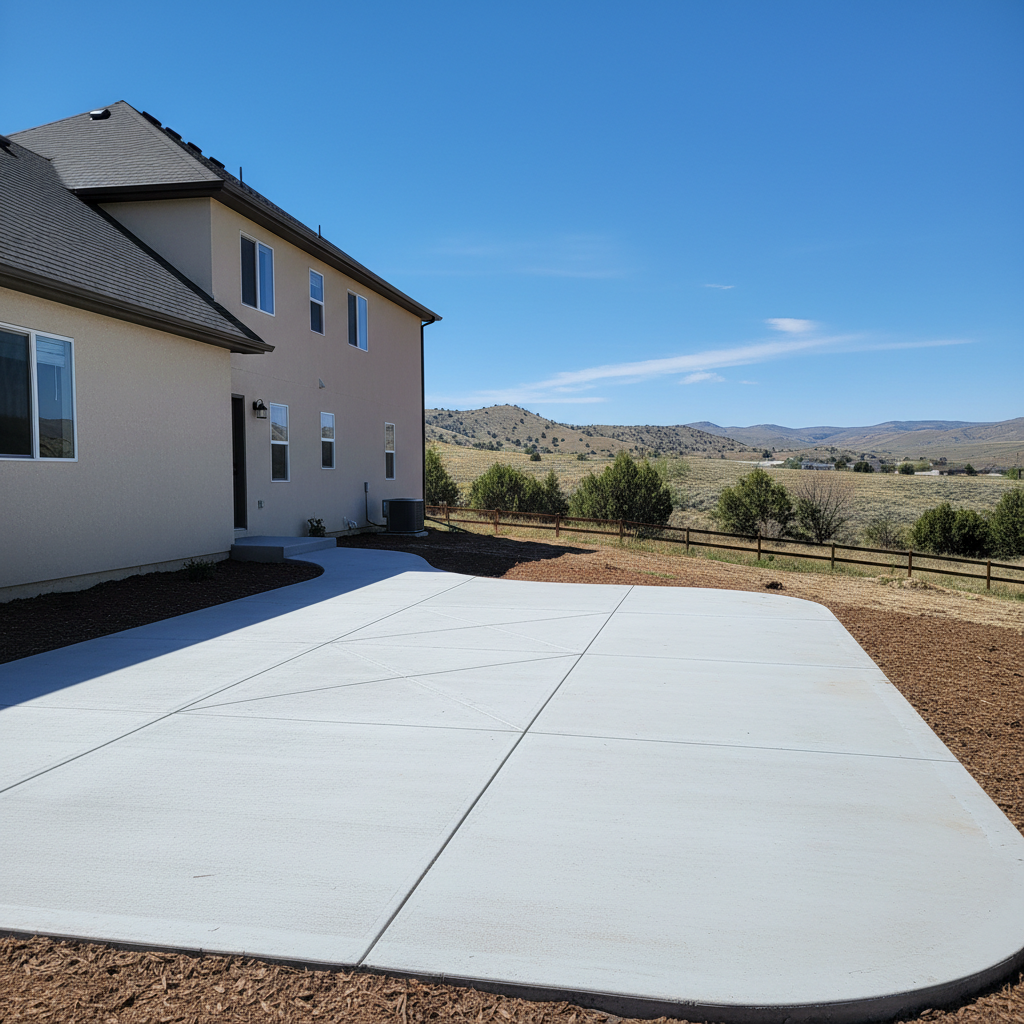
So, you've decided it's time for that new concrete patio, or maybe your old driveway is just falling apart and needs replacing. Good for you! Concrete really does add value and function to your home. But, having worked as a contractor here in Logan for years, I've seen a lot of folks make some pretty common blunders when they're planning or hiring for these projects. I want to help you steer clear of those headaches. Let's talk about what you absolutely should not do.
Mistake #1: Focusing Only on the Lowest Bid
This is probably the biggest one out there. Everybody wants a good deal, I totally get that. But when it comes to concrete, the cheapest bid is almost never the best bid. See, concrete isn't like buying a can of paint; there are so many different things that go into a quality job. A low bid often means a contractor is cutting corners somewhere. Maybe they're using less rebar, skimping on the base prep, or using a lower-grade concrete mix. Or, frankly, they might just not have enough experience to know what it truly takes to do it right.
Just think about it: if one bid is way lower than all the others, there's usually a reason. It's not because they're just super efficient; it's because they're leaving something out. You'll end up paying for it later with cracks, drainage issues, or a surface that spalls after a few Cache Valley winters. Get multiple bids, absolutely, but make sure you're comparing apples to apples. Ask what's actually included, what kind of concrete mix they're planning to use, and how they're going to prepare the site.
Mistake #2: Skipping Proper Site Preparation
This one really goes hand-in-hand with the low bid problem. The foundation of any good concrete slab isn't the concrete itself, it's what's underneath it. I'm talking about the sub-base. Here in Logan, especially in areas with a lot of clay soil, proper compaction and drainage are absolutely critical. If the ground isn't properly graded and compacted, or if you don't have a good gravel base, that concrete is going to move. It'll crack, settle unevenly, and just generally look like a mess in a few years, trust me.
A good contractor will spend time on this. They'll excavate enough, lay down and compact a proper gravel base, and make sure the drainage is right for our heavy spring runoff. If a contractor just wants to pour concrete directly onto existing dirt, well, run the other way. You're just setting yourself up for failure.
Mistake #3: Not Understanding the Concrete Mix
Did you know there are different strengths of concrete? It's really not all the same stuff. For a driveway that's going to see heavy vehicles, you need a stronger mix (often measured in PSI) than you would for, say, a simple garden path. For example, a standard 3000 PSI mix might be okay for a light-use patio, but for a driveway that's going to hold your truck, you really want something like 4000 PSI. And here in Logan, with our freeze-thaw cycles, you absolutely need air-entrained concrete. This means tiny air bubbles are intentionally added to the mix, which gives water a place to expand when it freezes, preventing surface damage.
Ask your contractor what PSI they're using and if it's air-entrained. If they can't tell you, or they just shrug it off, that's a definite red flag. Kingdom Concrete Contractors Logan always makes sure the mix is right for the job and our local climate.
Mistake #4: Ignoring Expansion Joints and Control Joints
Concrete cracks. It's not a matter of if, but when it will happen. The goal isn't to prevent all cracks, it's to control where they actually happen. That's where expansion joints and control joints come in. Expansion joints go all the way through the slab and allow for movement between separate concrete elements or between concrete and other structures (like your house foundation). Control joints are saw-cut or grooved into the surface to create weak points where the concrete can crack in a straight, predictable line, rather than all over the place.
I've seen so many DIY jobs or cheap contractor jobs where these are either completely missing or spaced incorrectly. The result? Uglier, random cracks that compromise the integrity and look of your concrete. Make sure your contractor has a clear plan for joint placement.
Mistake #5: Not Checking References or Licensing
This one seems so obvious, but people still skip it. You wouldn't hire someone to do major electrical work without checking their credentials, right? Concrete is a permanent fixture on your property, after all. Ask for references. Call those references. Look at examples of their past work. Is it holding up? Does it still look good?
Also, make sure they're licensed and insured. If they're not, and something goes wrong – someone gets hurt on your property, or they damage something – you could be on the hook. It's just not worth the risk to save a few bucks. A legitimate business will be happy to provide this information, no fuss.
Mistake #6: Rushing the Curing Process
Once the concrete is poured, the job isn't actually over. Proper curing is essential for the concrete to reach its full strength and durability. This means keeping it moist for an extended period, usually several days to a week or even more, depending on the mix and weather. This can involve spraying it with water, covering it with plastic, or applying a curing compound.
I've seen folks drive on a new driveway too soon, or let a new patio dry out completely in the sun after just a day. That's a recipe for weak, brittle concrete that's going to fail prematurely. Your contractor should give you clear instructions on how to care for your new concrete, and if they don't mention curing at all, that's a problem.
Doing your homework and asking the right questions can save you a lot of grief and money down the road. Don't just jump at the first offer; invest a little time upfront to make sure your concrete project is done right the first time.